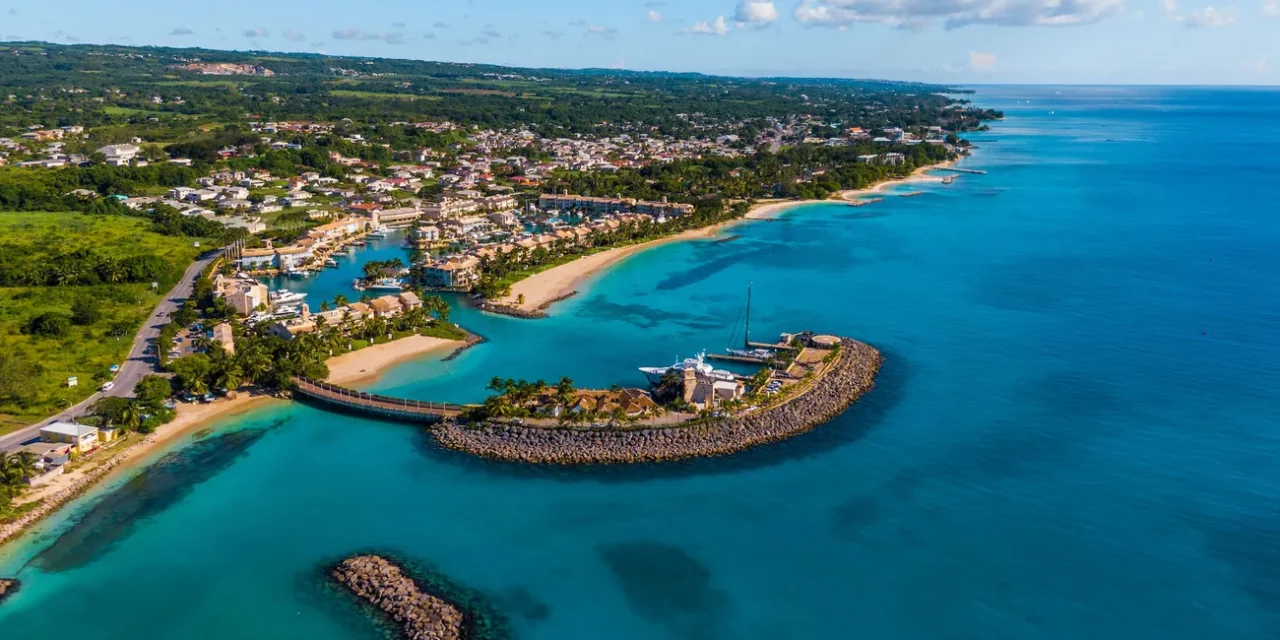
Bridgetown, Barbados — April 23, 2026. On Wednesday, Prime Minister Mia Mottley stood on a St. Peter construction site and laid out what she called “Tourism 3.0” — a deliberate reset of how Barbados wants to attract, serve, and be remembered by travelers over the next five years. The venue wasn’t accidental. Developers had just topped off the Pendry Barbados, the California luxury brand’s first resort anywhere in the Caribbean, and the PM used the moment to signal that the island’s next chapter is about more than any one property.
For anyone already thinking about a 2026 or 2027 Barbados trip, it’s worth paying attention. The plan touches airlift, luxury supply, sustainability, and — maybe most importantly for the vacation experience — the people who actually work in hotels and on tours.
What is “Tourism 3.0”?
Mottley framed Tourism 3.0 as a “judicious blend” of domestic ownership and international branded hotels, supported by new infrastructure and a workforce that’s treated as the centerpiece of the product rather than an afterthought. Said differently: the island wants more luxury inventory, more direct flights, more Bajan-owned businesses benefiting from tourism dollars, and better working conditions for the staff that most guests list as the best part of their trip.
A few components stood out:
- A direct challenge on Los Angeles airlift. With U.S. arrivals surpassing UK arrivals for the first time last year, the PM pushed her Ministry of Tourism to secure a nonstop LAX–Bridgetown route. Her argument: a 7.5-hour flight from the West Coast is comparable to current London routes and would unlock Silicon Valley, San Francisco, and Seattle travelers who rarely consider Barbados today.
- 1,800 new hotel rooms by 2030. Tourism Minister Ian Gooding-Edghill had previously outlined this pipeline target, and Tourism 3.0 is the framework meant to deliver it — a mix of branded luxury (Pendry, and more to come) and locally owned boutiques.
- A “New Deal” for tourism workers. Mottley reaffirmed her administration’s commitment to dignity and decent living conditions for tourism staff, positioning the worker as the centerpiece of the visitor experience rather than back-of-house labor.
- Water security tied to tourism growth. A second desalination plant for northern Barbados, mains replacement in St. Lucy and St. Peter, and an August deadline to end the “brown water” affecting households in those parishes were presented as prerequisites — not afterthoughts — for the tourism buildout.
The Pendry Angle: Why This Ceremony Mattered
The Pendry Barbados, sitting on the island’s northwest coast in St. Peter, is scheduled to open in 2027 with roughly 80 oceanfront guest rooms, 46 fully furnished residences, a 110-berth marina and yacht club, a signature spa, and multiple dining venues. It’s the first Pendry in the Caribbean and the biggest single new luxury flag to land on the island in years.
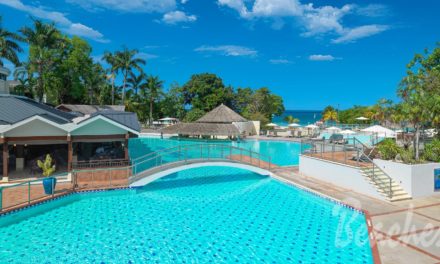
For a traveler, that means Barbados — already home to one of the widest luxury hotel benches in the Caribbean — is getting another high-end anchor on the calmer, whiter-sand Platinum Coast. Combined with Sandals Barbados and Sandals Royal Barbados on the south coast, the Crane, Cobblers Cove, and The Sandpiper up north, the island is positioning itself as a place where a couple can book a different luxury experience every trip and never repeat.
How This Connects to Everything Else Barbados Just Did
Tourism 3.0 didn’t land in a vacuum. Over the last six weeks, Barbados has:
- Hit record tourism numbers and added new North American flights — the clearest demand signal in a decade.
- Made it easier to combine Barbados with another island thanks to five new nonstop regional routes out of BGI (Trinidad, Tortola, Sint Maarten, Georgetown, and Providenciales in Turks & Caicos).
- Been named among the safest destinations in the Americas and Caribbean for 2026 by multiple travel rankings.
- Seen the Caribbean region overall post its best tourism year on record.
Tourism 3.0 is the policy bow that ties those threads together: use the current demand surge to build the infrastructure (water, airlift, workforce, luxury supply) that turns a good year into a durable competitive position.
The Steve Griswold Take: What This Means for Your Vacation
Two things jump out for me as a travel agent who’s been sending clients to Barbados for years:
- 2026 and 2027 are the “before” window. Pendry doesn’t open until 2027. Most of the new 1,800 hotel rooms won’t be online until 2028–2030. If you like a destination before the brand-name pipeline fully arrives, Barbados right now — with record demand, new regional flights, and pre-Pendry pricing on the existing luxury bench — is that window.
- The “New Deal” language matters more than it sounds. The single biggest driver of repeat bookings at Sandals Barbados, Sandals Royal Barbados, and every high-end Bajan hotel is the staff. When a government makes worker treatment a public pillar of its tourism strategy, the product typically gets better, not worse, over the following three to five years. That’s good news for anyone thinking about a honeymoon, anniversary, or milestone trip through 2028.
If you’re trying to decide between Barbados and another Caribbean island for a 2026 or 2027 trip, read our full Barbados Travel Guide 2026 for beaches, culture, and resort breakdowns, and the Caribbean Vacation Guide for how Barbados stacks up across the region.
Book or Plan Your 2026 Barbados Trip
Pixie Vacations has been booking Barbados all-inclusives, luxury hotels, and honeymoons for more than 20 years. If you want a quote that matches your dates, budget, and preferred coast — south for Sandals and nightlife, west for Pendry/Sandpiper/Cobblers Cove luxury — request a free Barbados vacation quote from Pixie Vacations or, for couples, start with Pixie Honeymoons. No fees to use a Pixie travel advisor.
You can also watch Caribbean hotel and resort walkthroughs on the @GrizAllInclusive YouTube channel — we’ve filmed both Sandals Barbados and Sandals Royal Barbados as well as other island comparisons that are helpful before you book.